Interpolar Nuclei*Topographing Fissures
Transdisciplinary Artistic Research in collaboration with Frederike Lange (German Mining Museum Bochum)
2024–2025
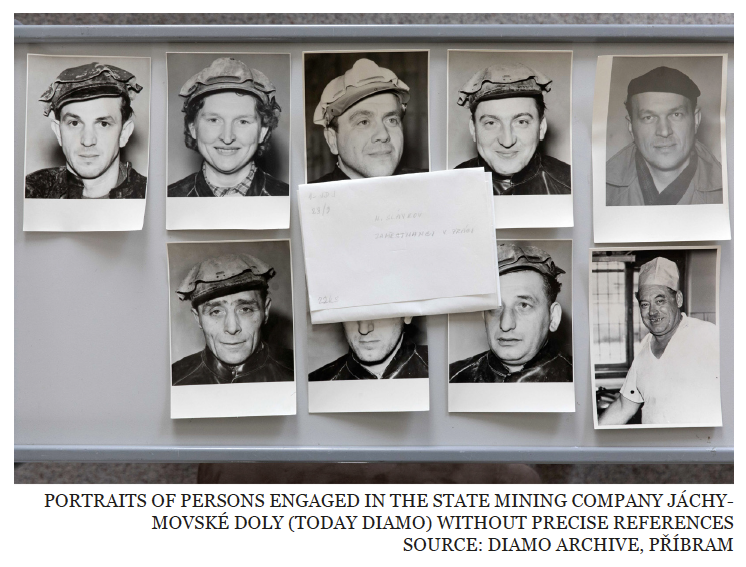
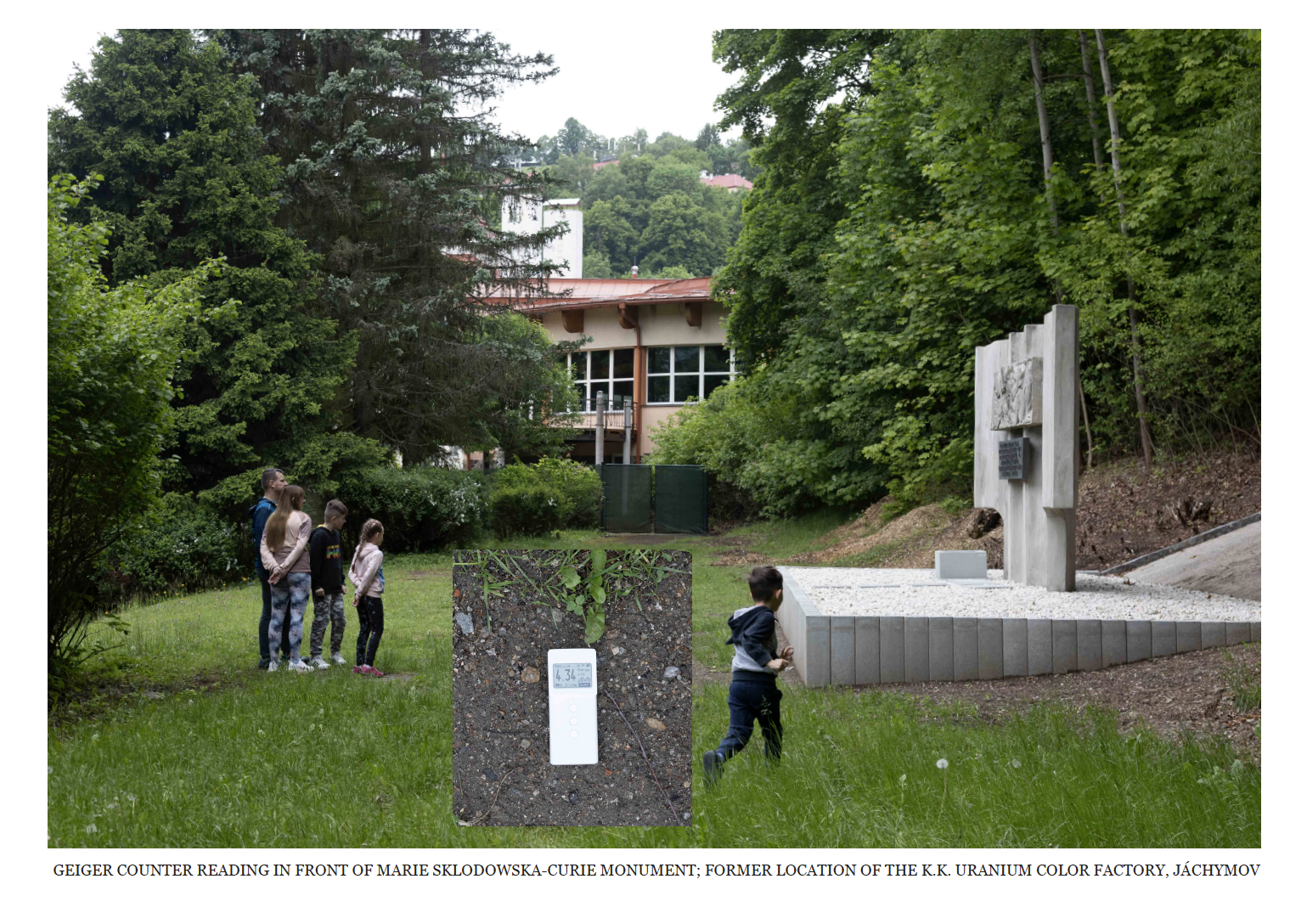
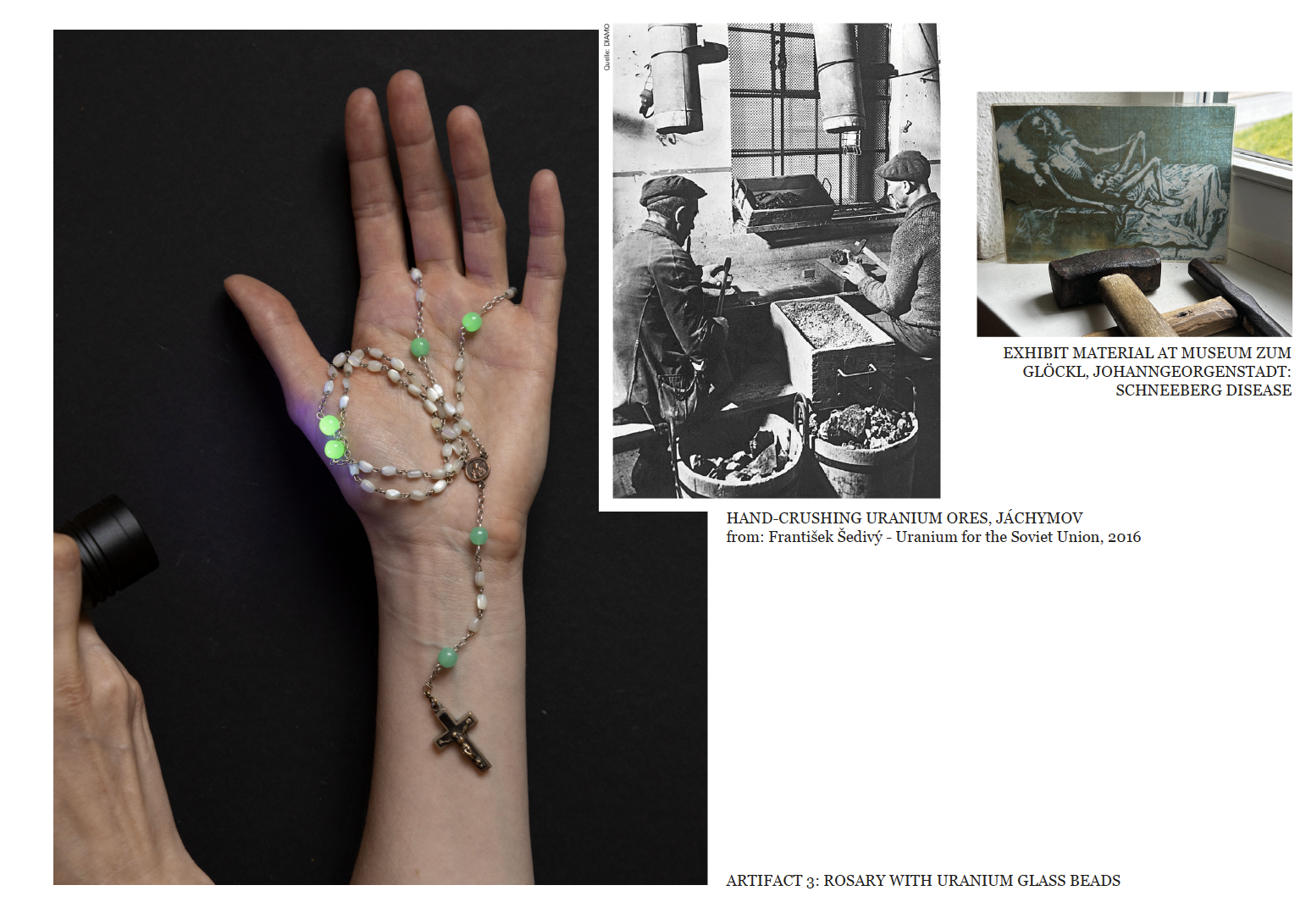
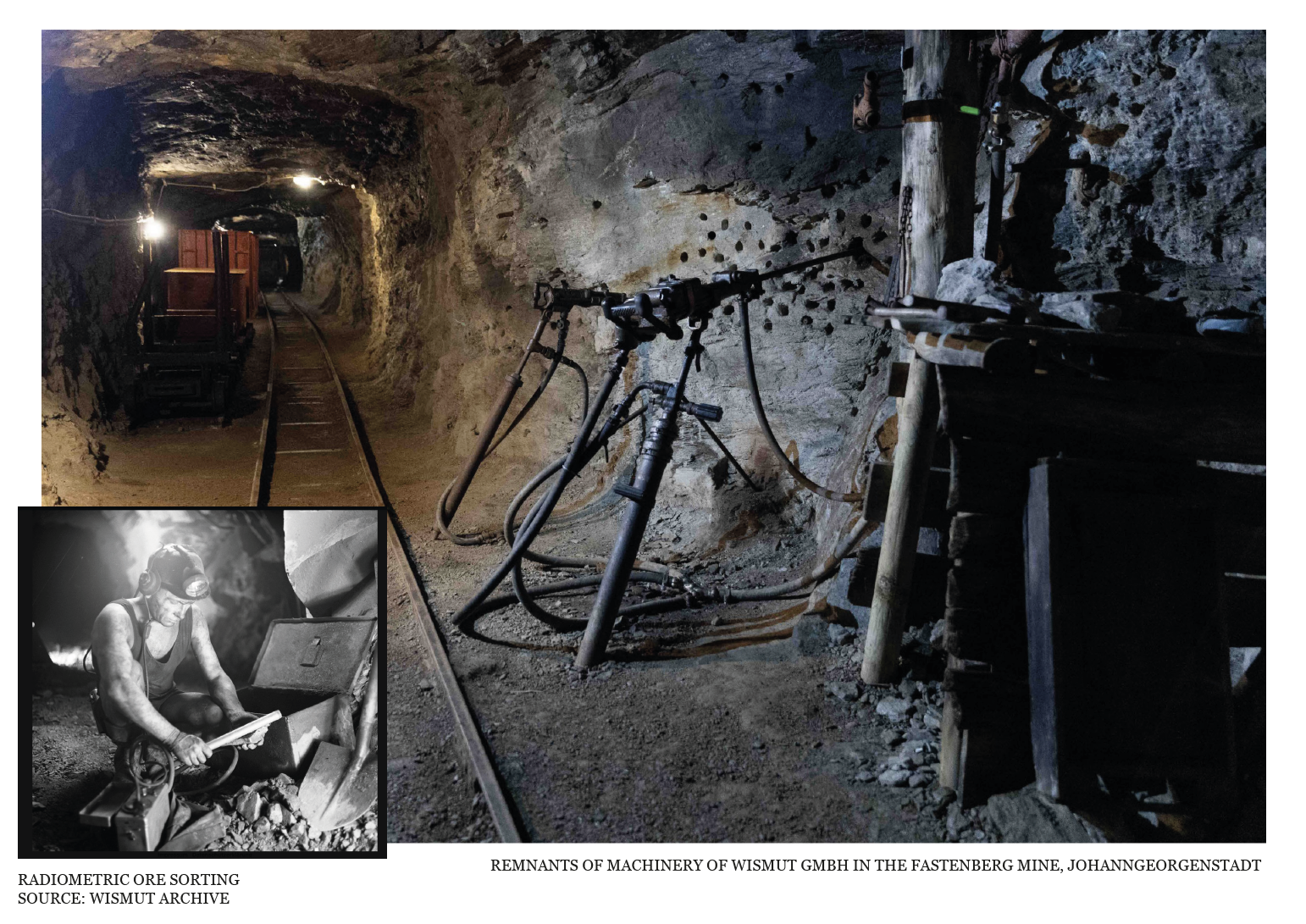
Interpolar Nuclei*Topographing Fissures is the research project behind Extractive Zones, documenting uranium mining in the Czech-German Ore Mountains. The project links artistic and scientific methodologies for making visible what official histories obscure: the slow violence of extraction, perceptible in transformations of landscapes and lives shaped by radioactive ground.
Photography, archival research, oral histories, and collaborative scholarship interweave to map the underground, overground, and cosmological scales of nuclear extraction, centering on the sacrifice zones of Johanngeorgenstadt (GER) and Jáchymov (CZ).
Interpolar Nuclei*Topographing Fissures led to a binational exhibition in Chemnitz (GER) and Jáchymov (CZ), and the web archive extractivezones.eu.
Funded by the Cultural Foundation of the Free State of Saxony, German-Czech Future Fund & Chemnitz European Capital of Culture 2025.
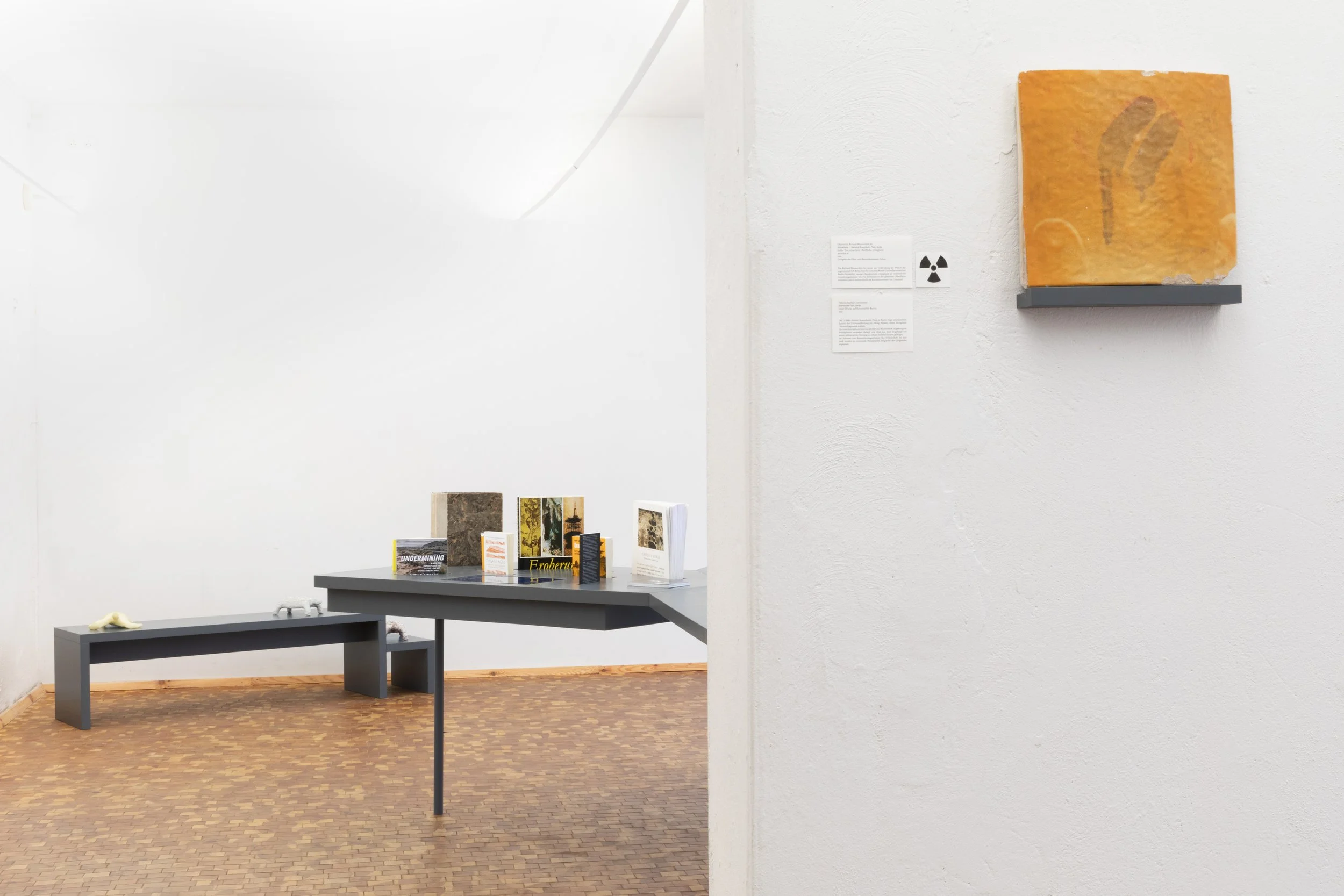
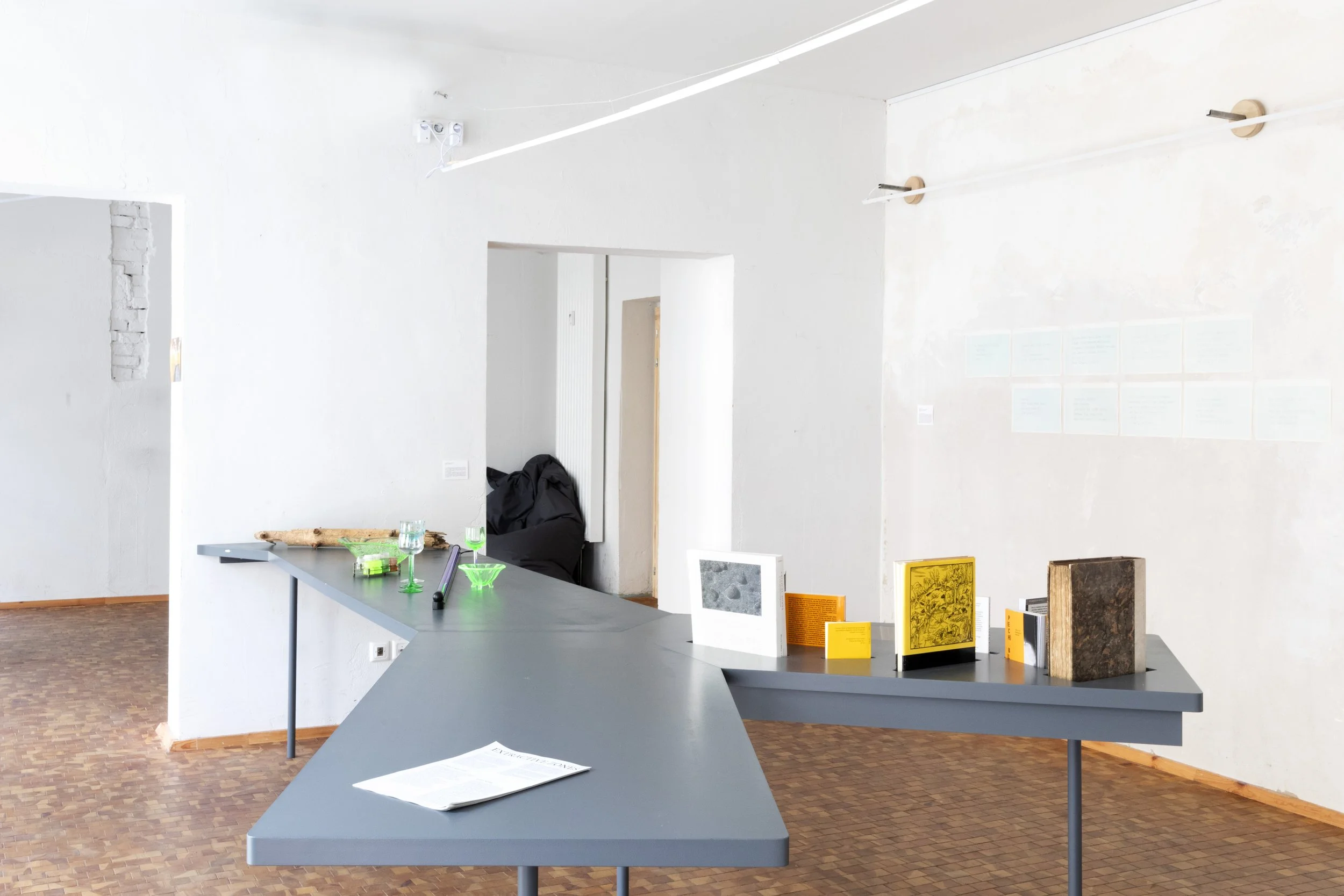
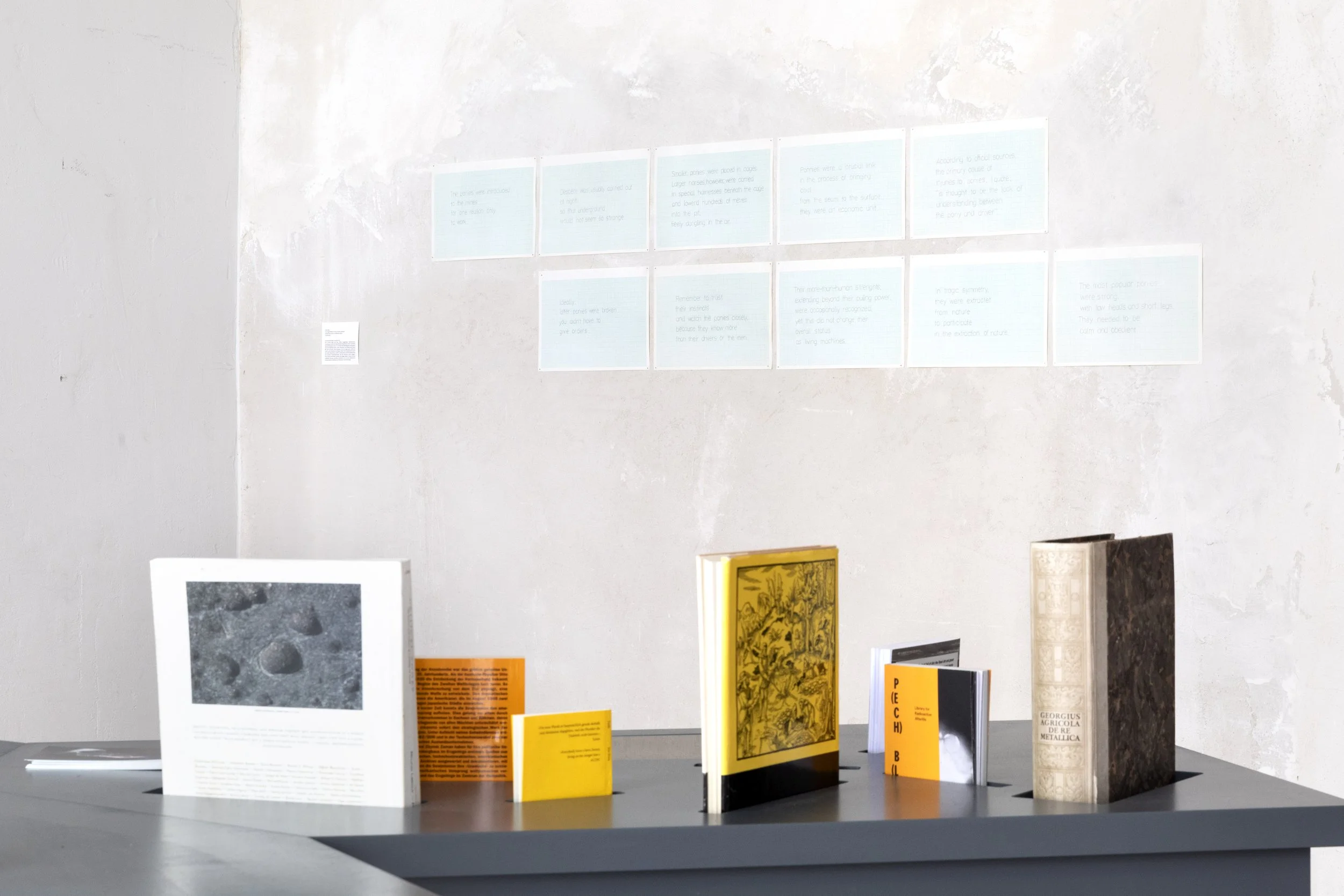
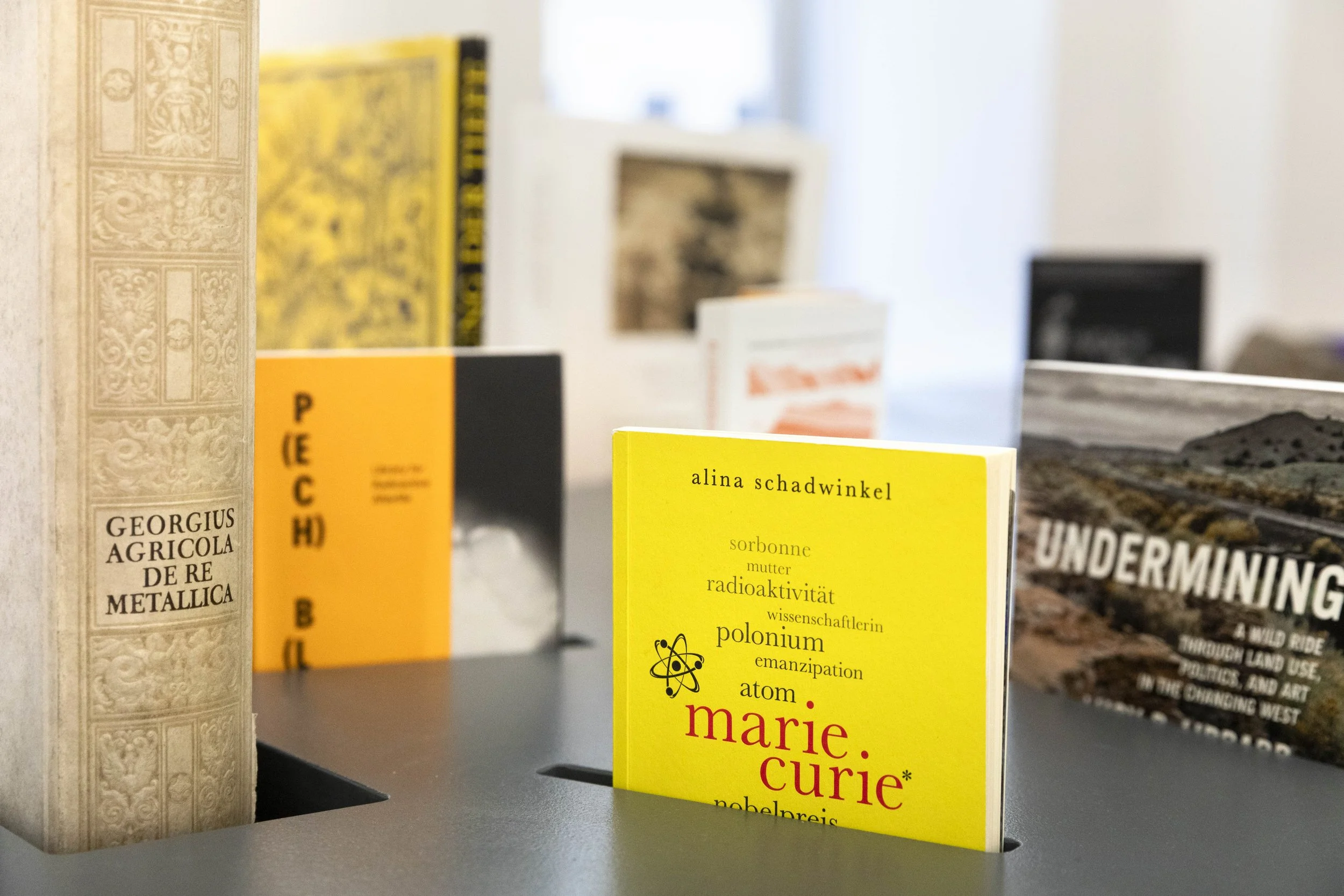
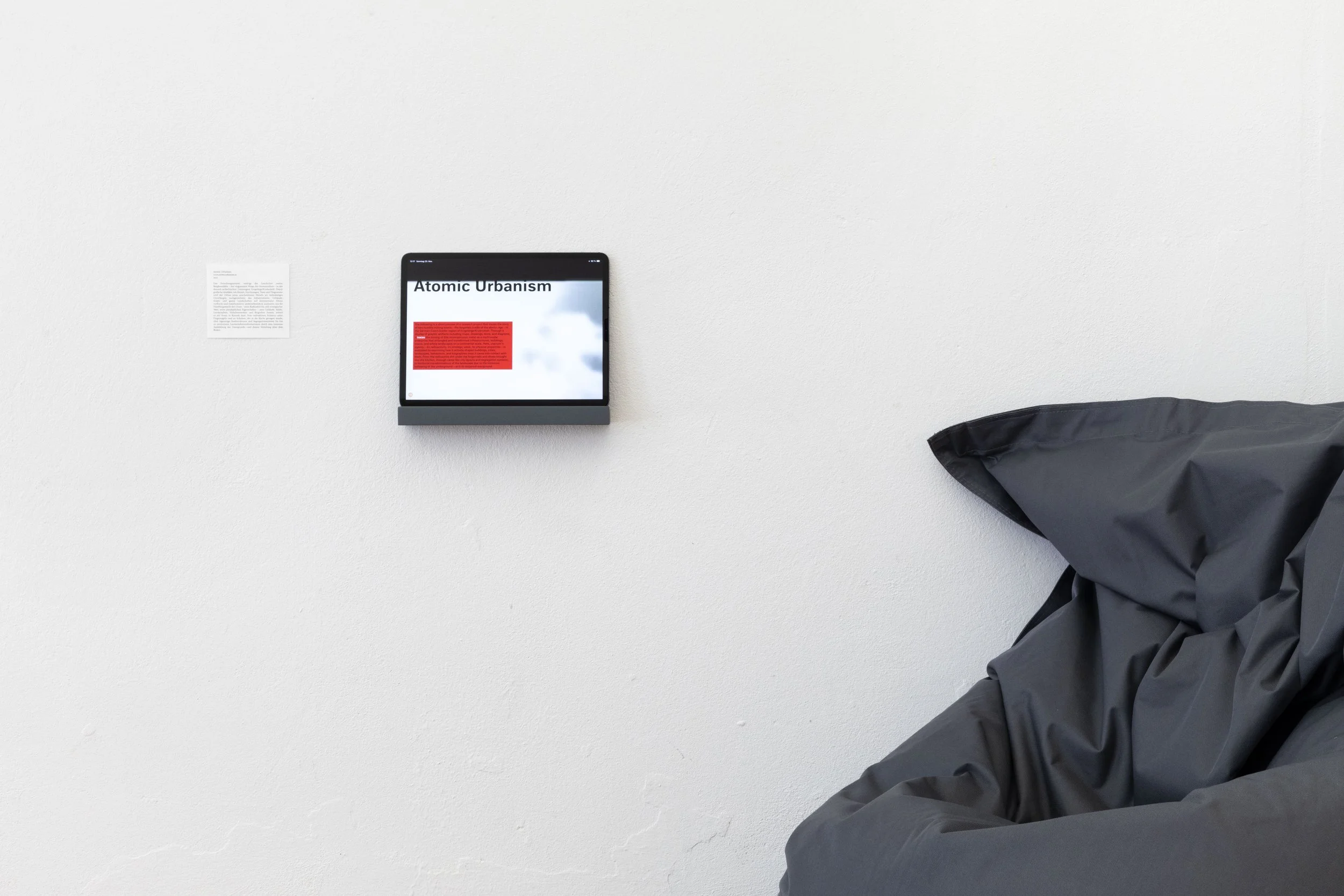
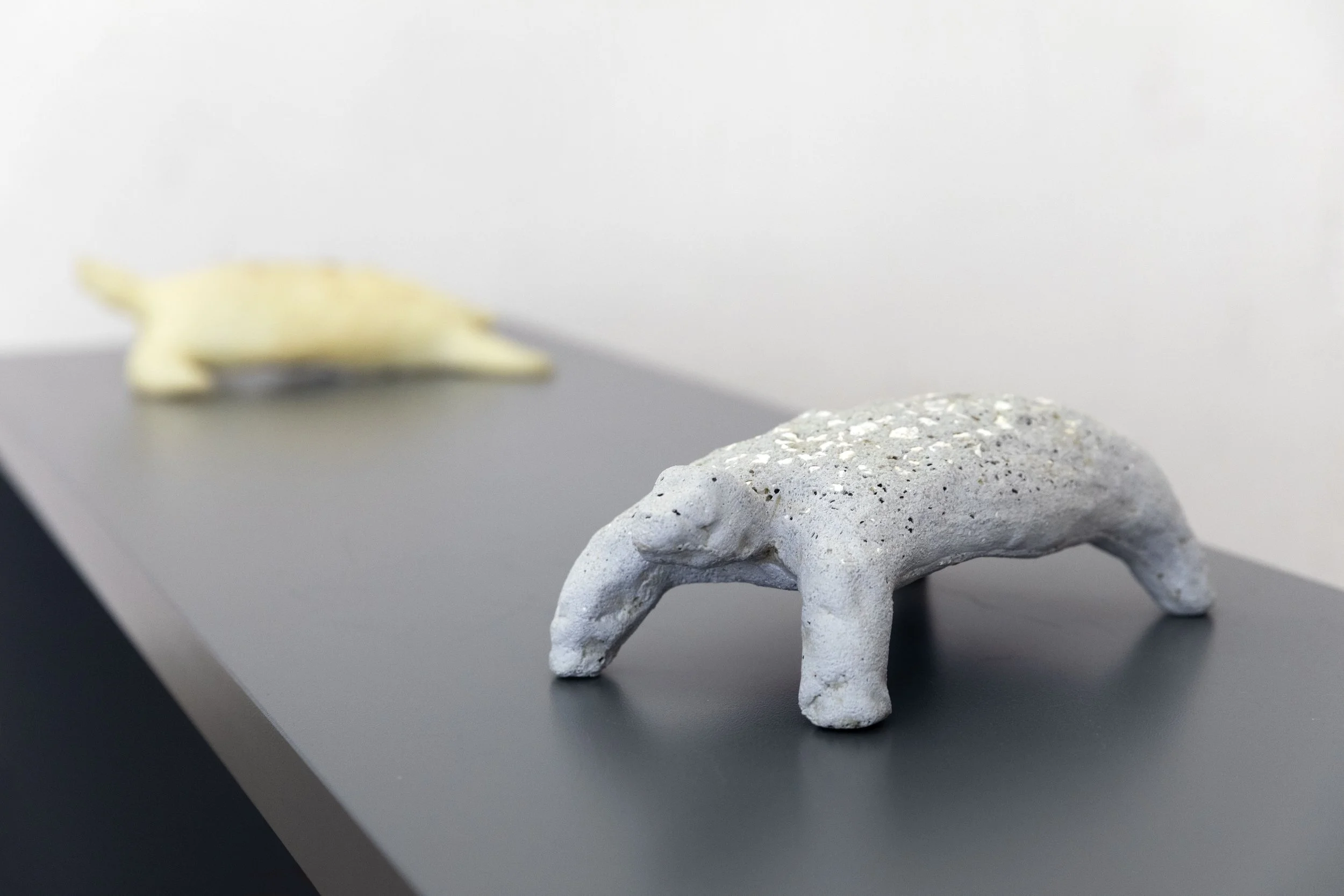
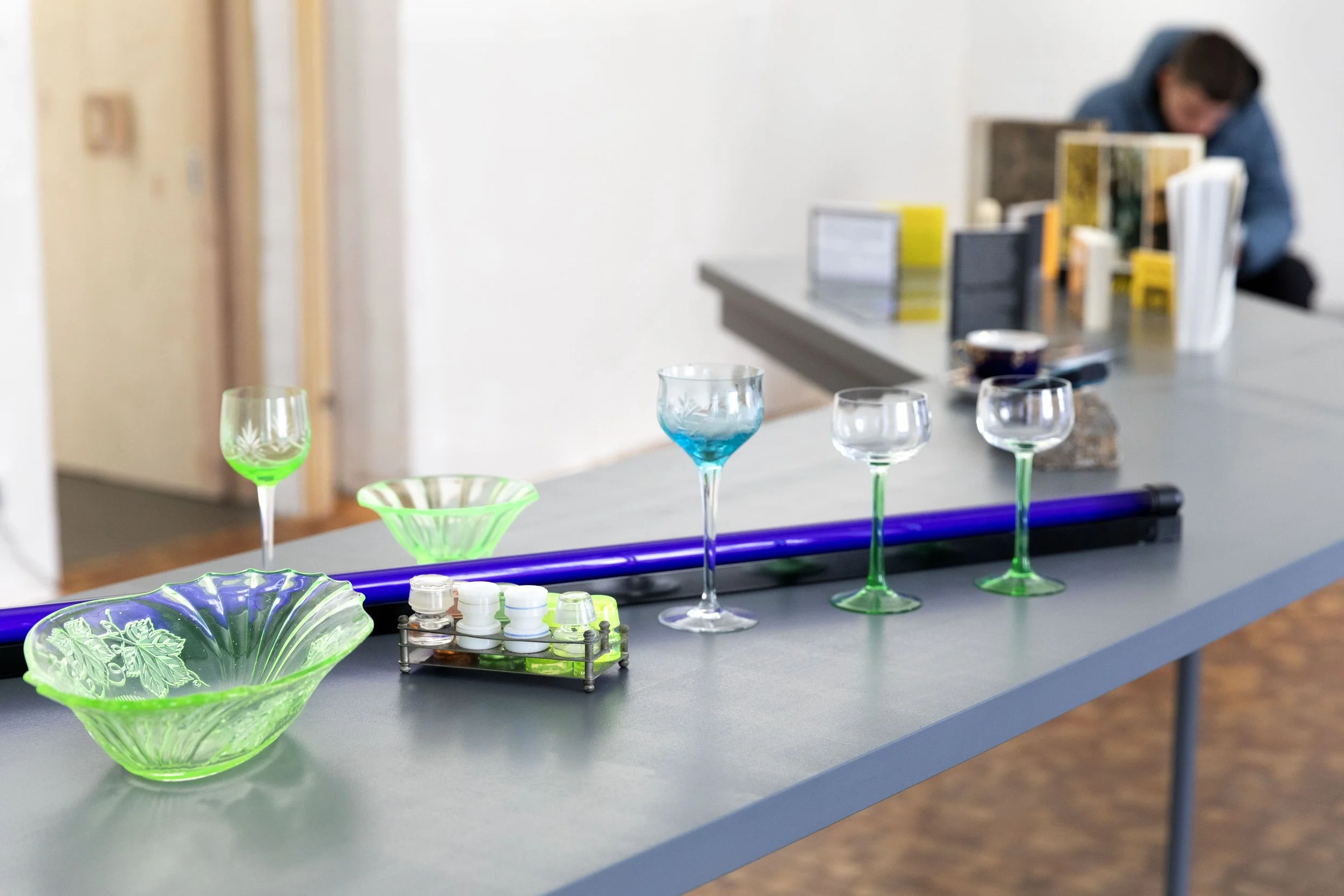
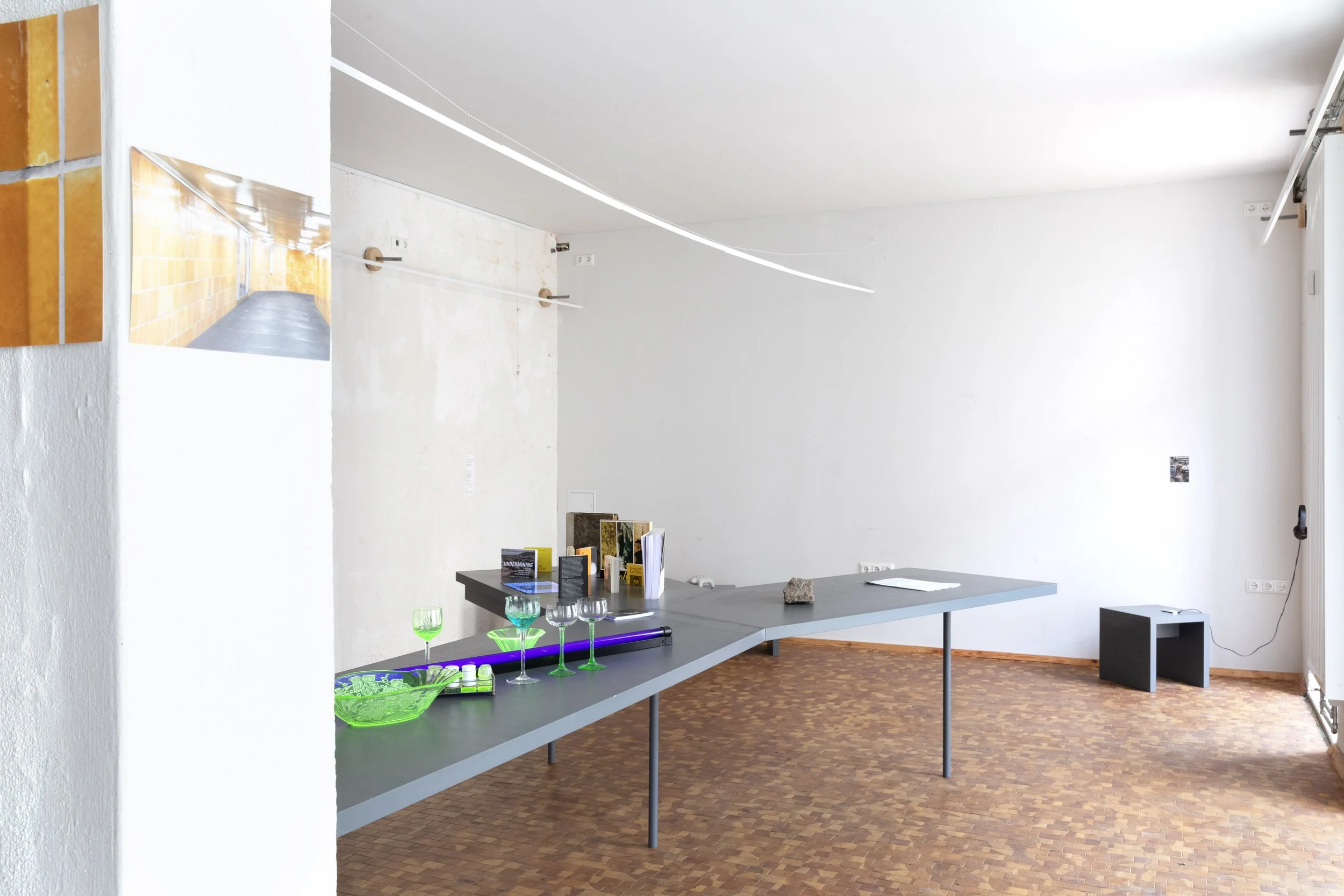
EXTRACTIVE ZONES
Hot Super, Chemnitz
7.11. - 30.11.2025
Curation: Viktoria Sophie Conzelmann & Frederike Lange
Scenography & Co-Curation: Senta Hirscheider
Display Design: Miska Mikutta
Graphic Design: Sonni Scheuringer
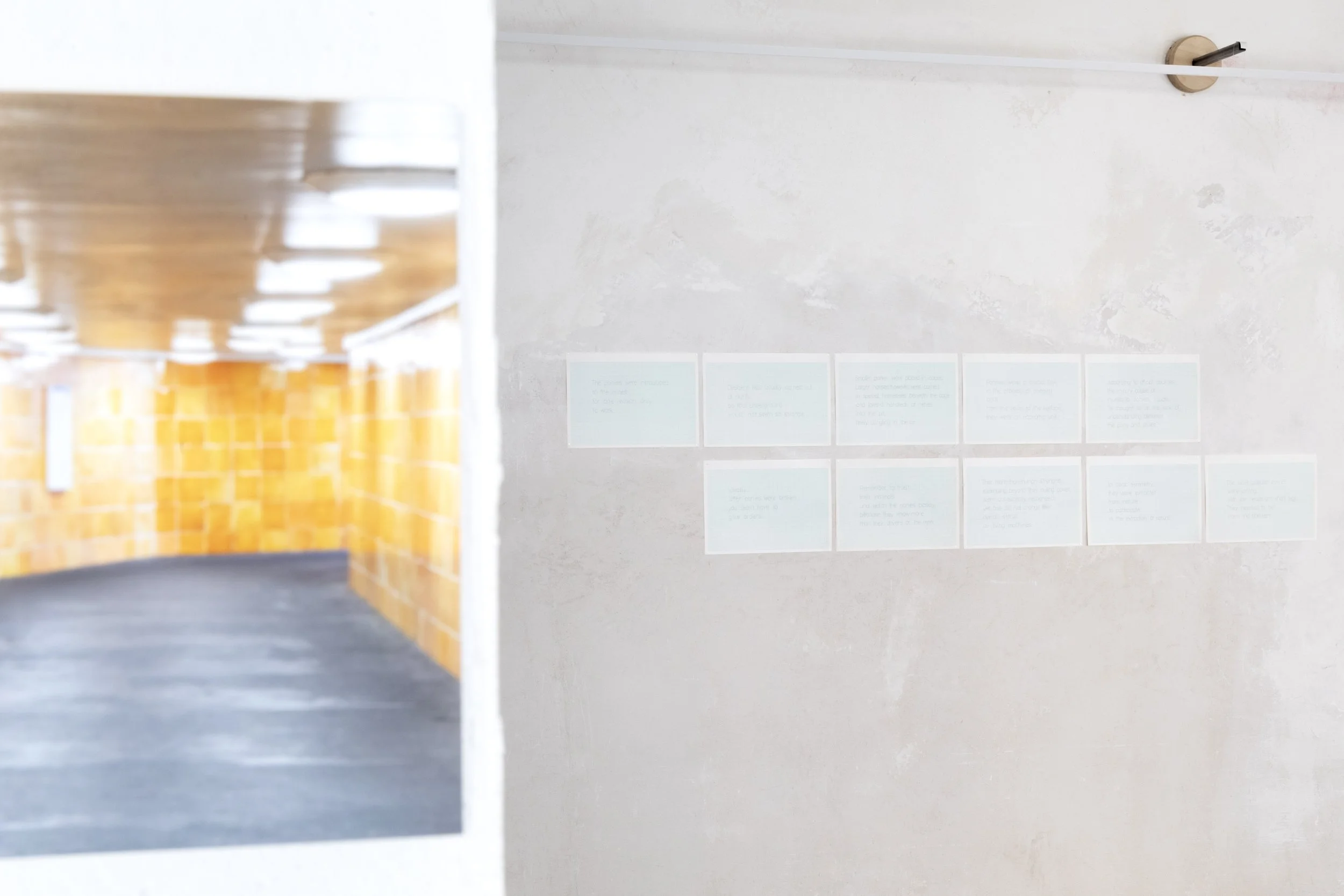
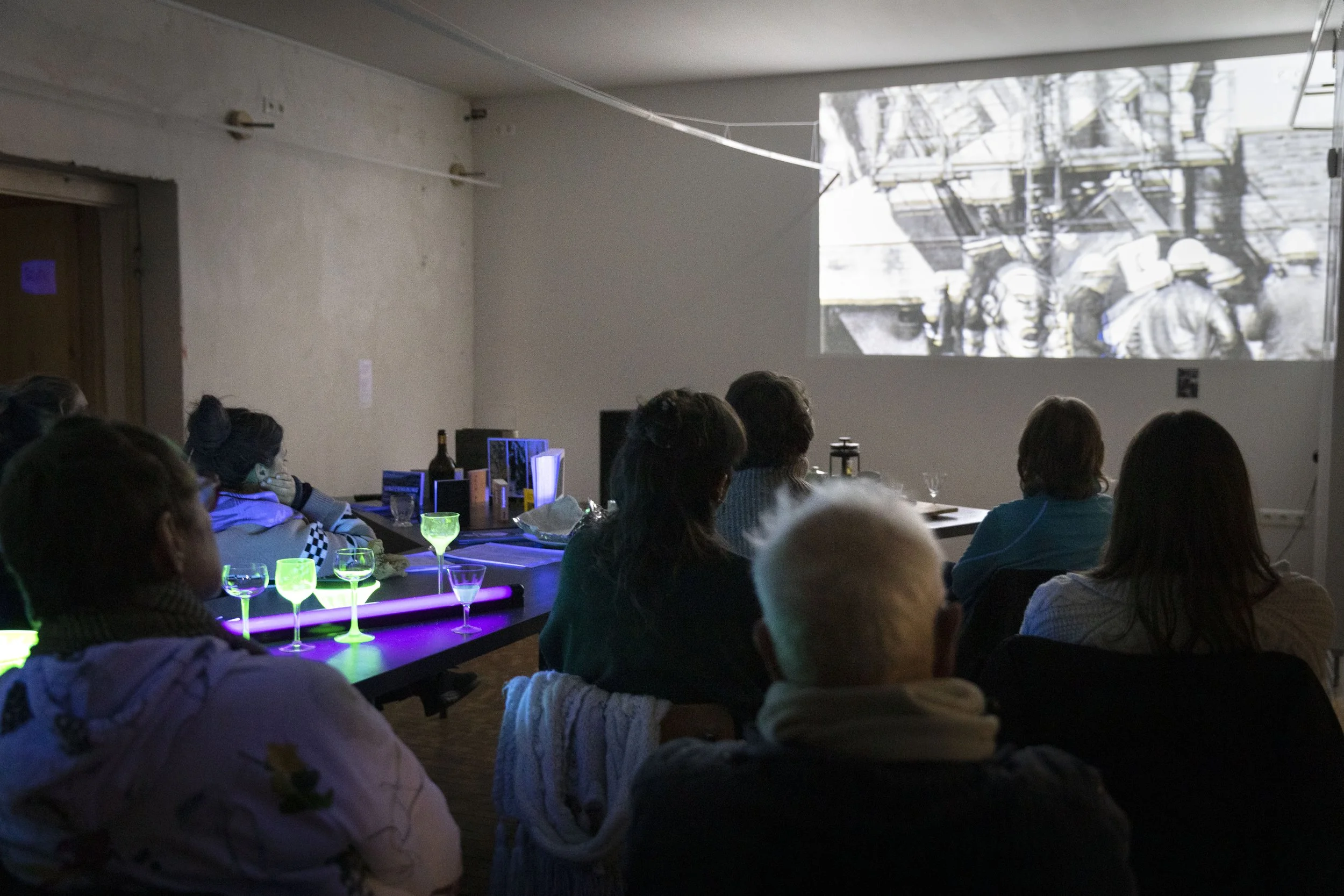
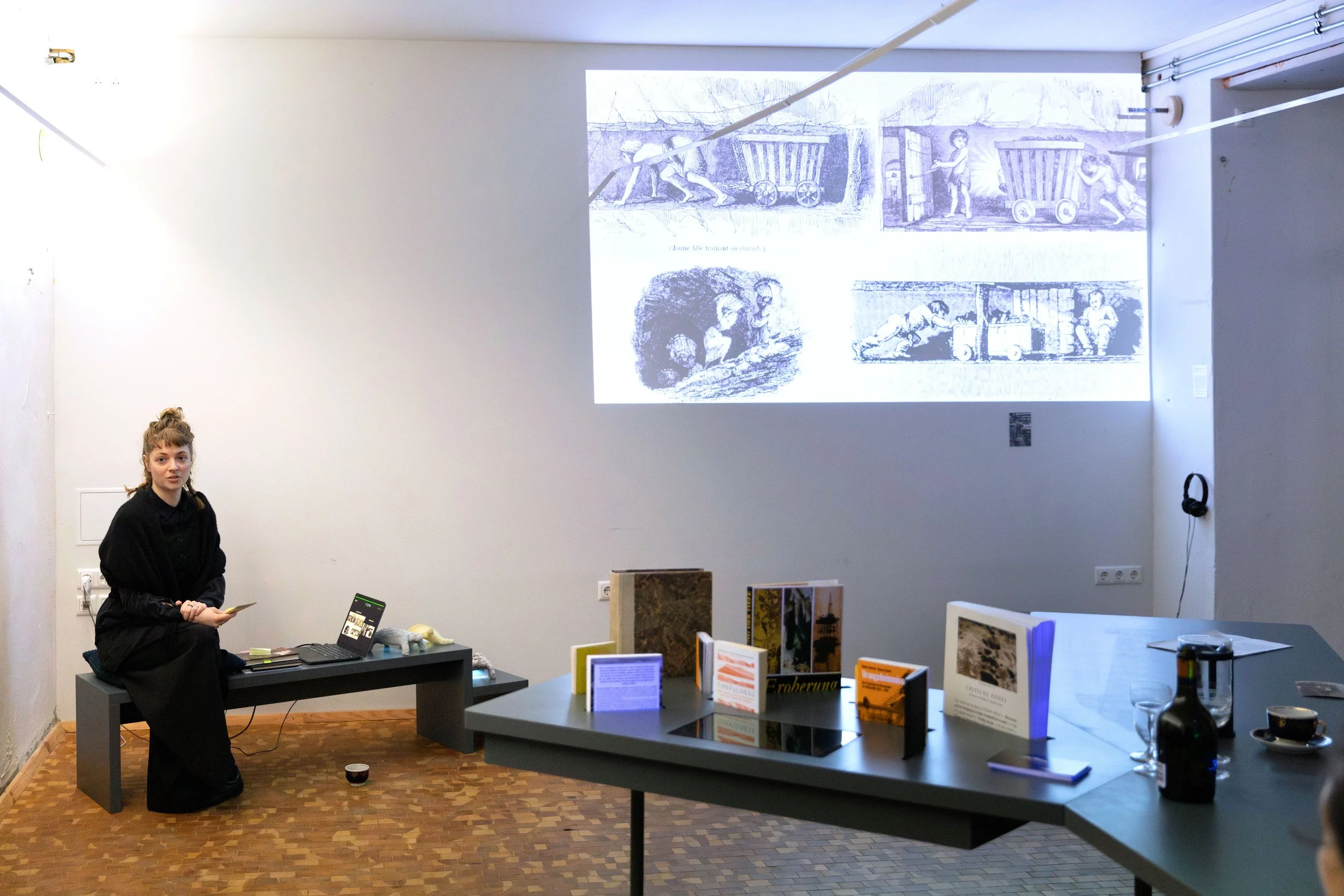
The essayistic, research-driven exhibition EXTRACTIVE ZONES brought together artists, academic researchers, and activists from Germany, Czech Republic, and Austria around a shared inquiry into uranium, extraction, and their long afterlives.
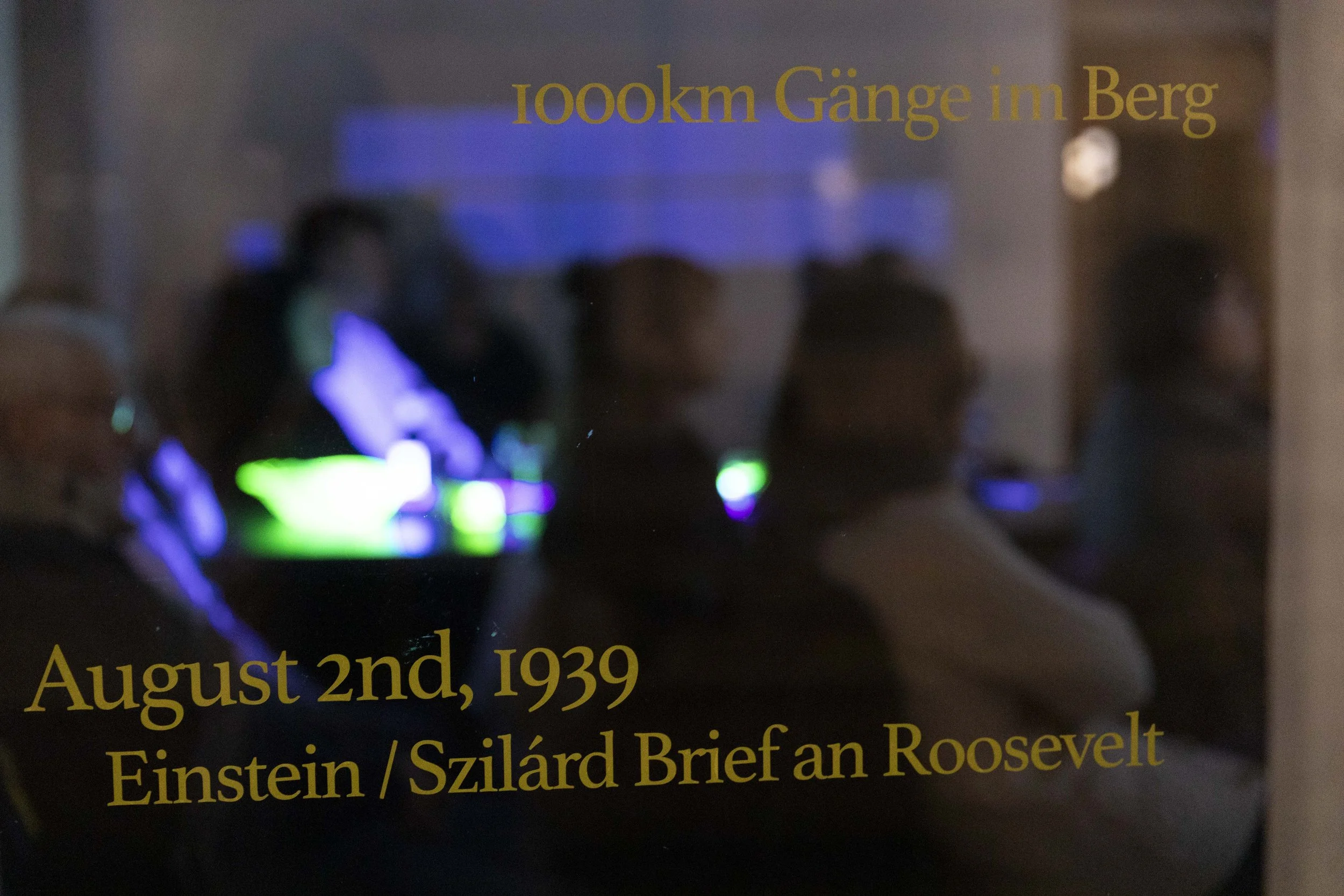
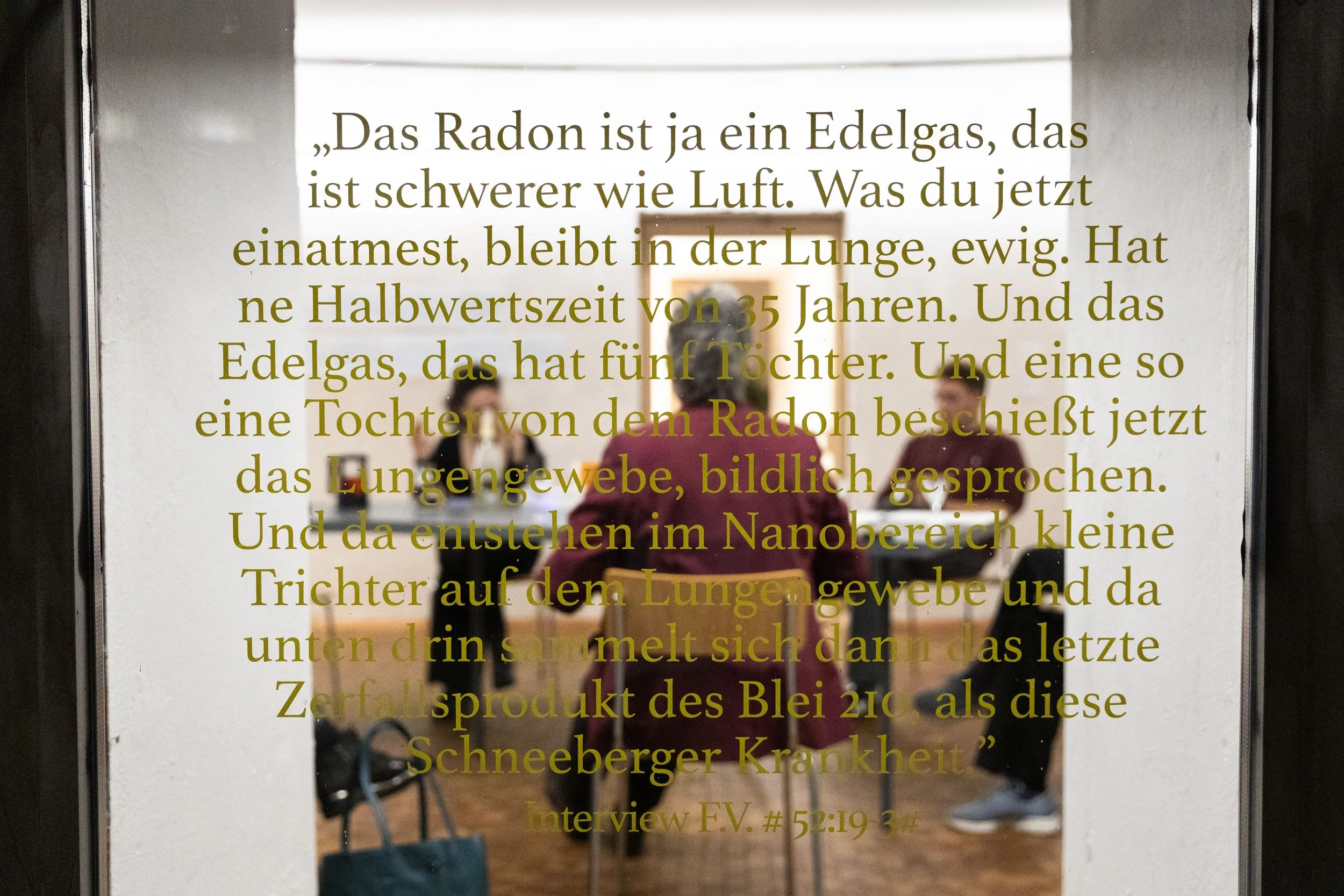
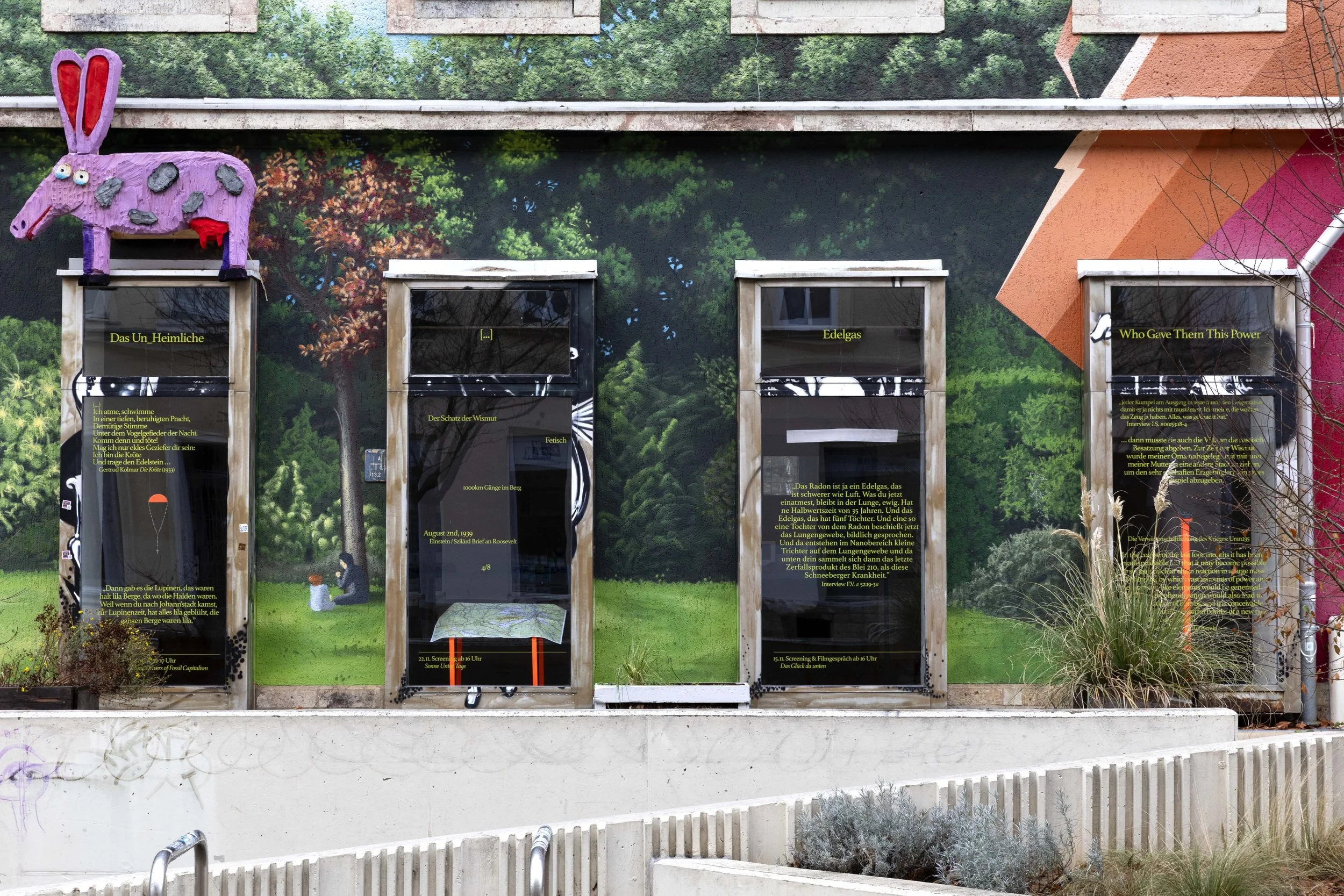
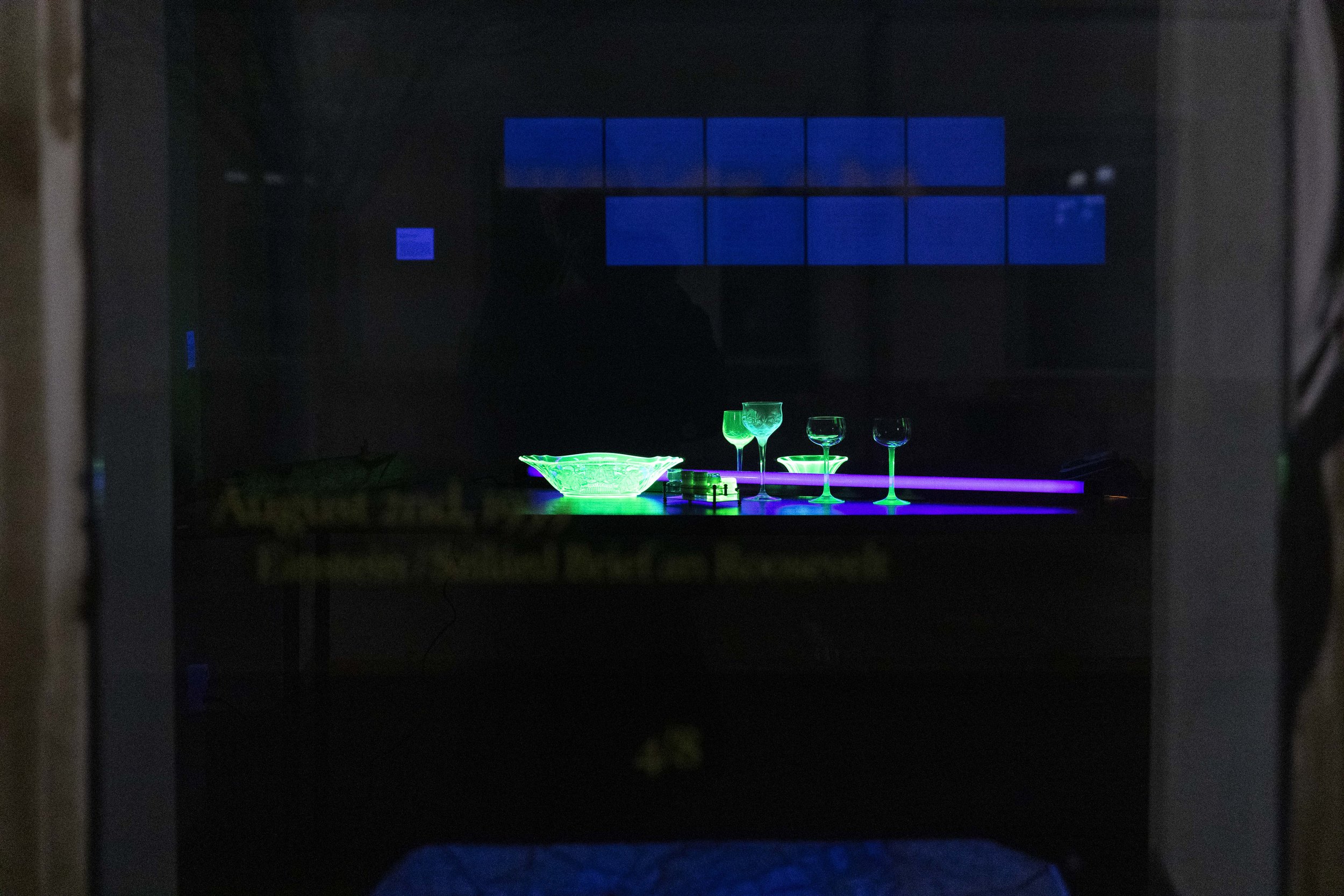
Centered around a large table that served as library and meeting place, four windows opened the space outward to a public audience, presenting a single artifact alongside excerpts from interviews and field research.
The exhibition was accompanied by a public programme of film screenings, artist talks, a lecture performance, and a critical walk, tracing radioactivity across borders, into landscapes, bodies, and memory.
Works by:
Atomic Urbanism (TU Berlin), Katrin Hornek (AT), Sára Märc (CZ), Frederike Lange (GER) with NGO Řetízkárna (CZ), Viktoria Sophie Conzelmann (GER) with Stove and Ceramics Museum Velten
Public program contributors:
Dagmar Borchert, Mareike Bernien and Alex Gerbaulet, NGO Řetízkárna, Sára Märc, Senta Hirscheider, Collection Ilka Lange
extractivezones.eu – How Jáchymov Shaped Nuclear History
Royal Mint Museum Jáchymov (Muzeum Karlovy Vary)
8.11.-22.12.2025
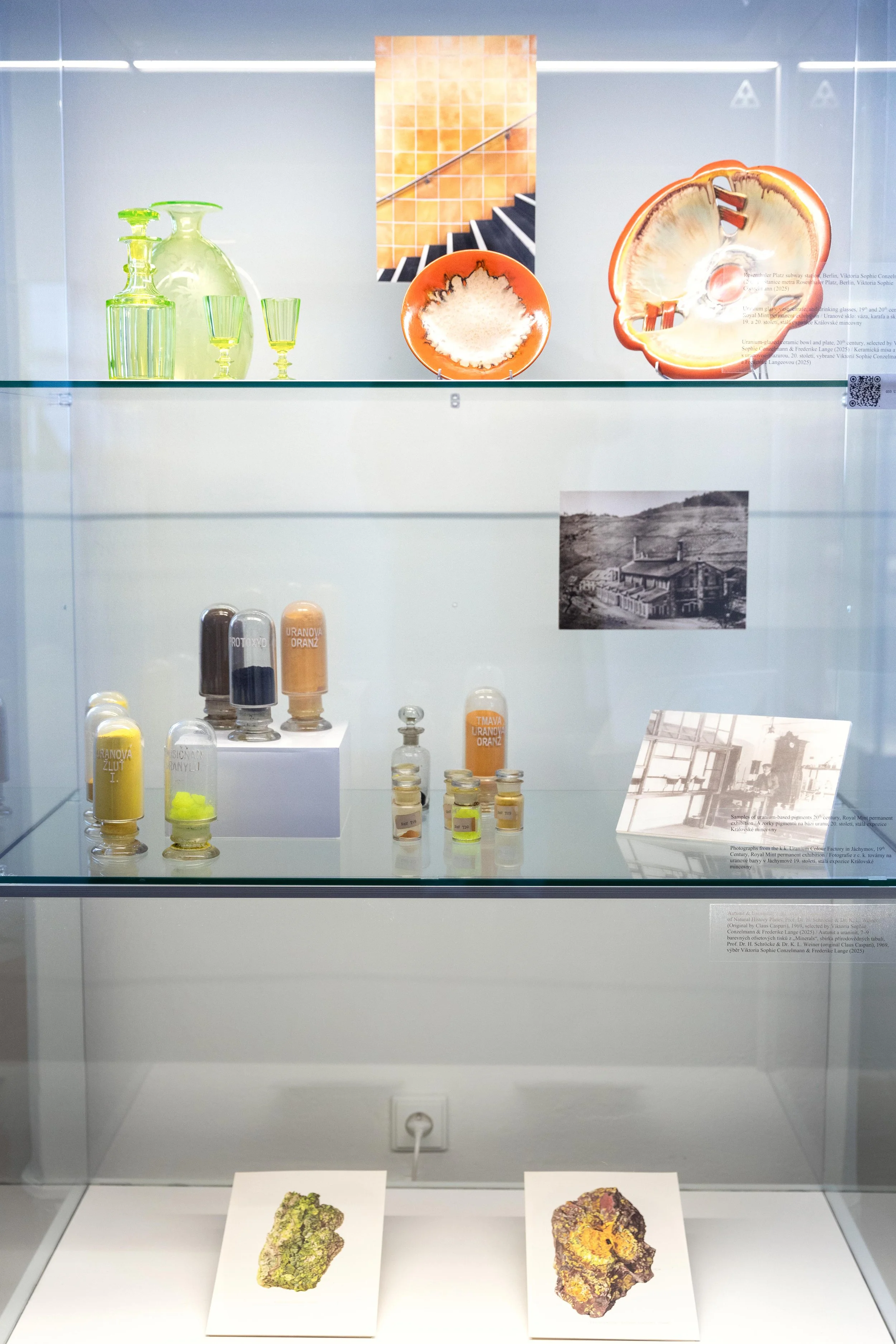
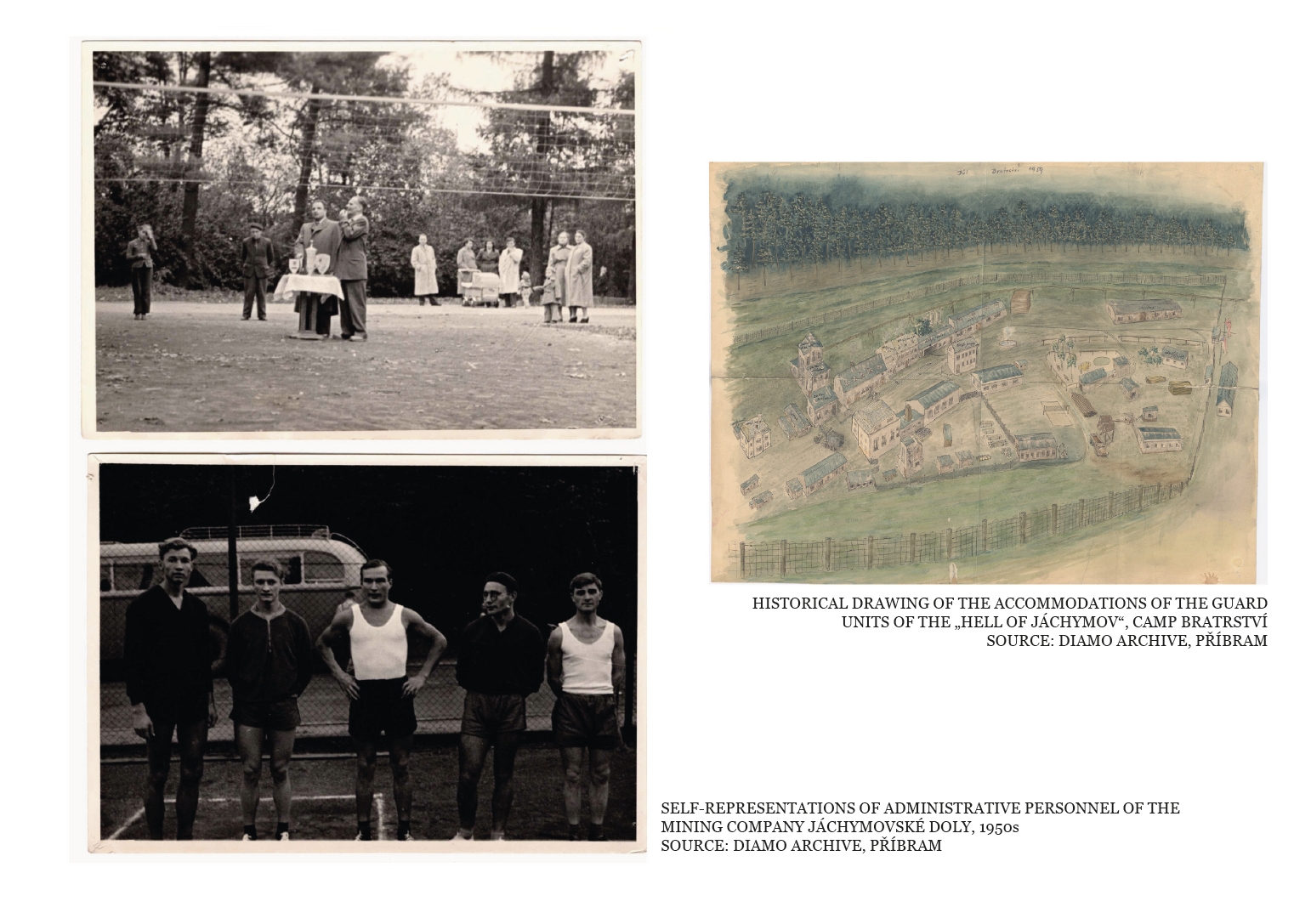
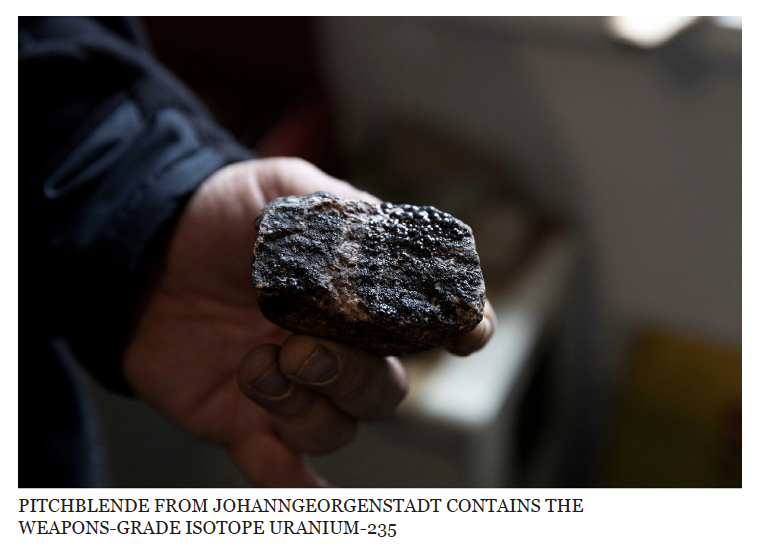
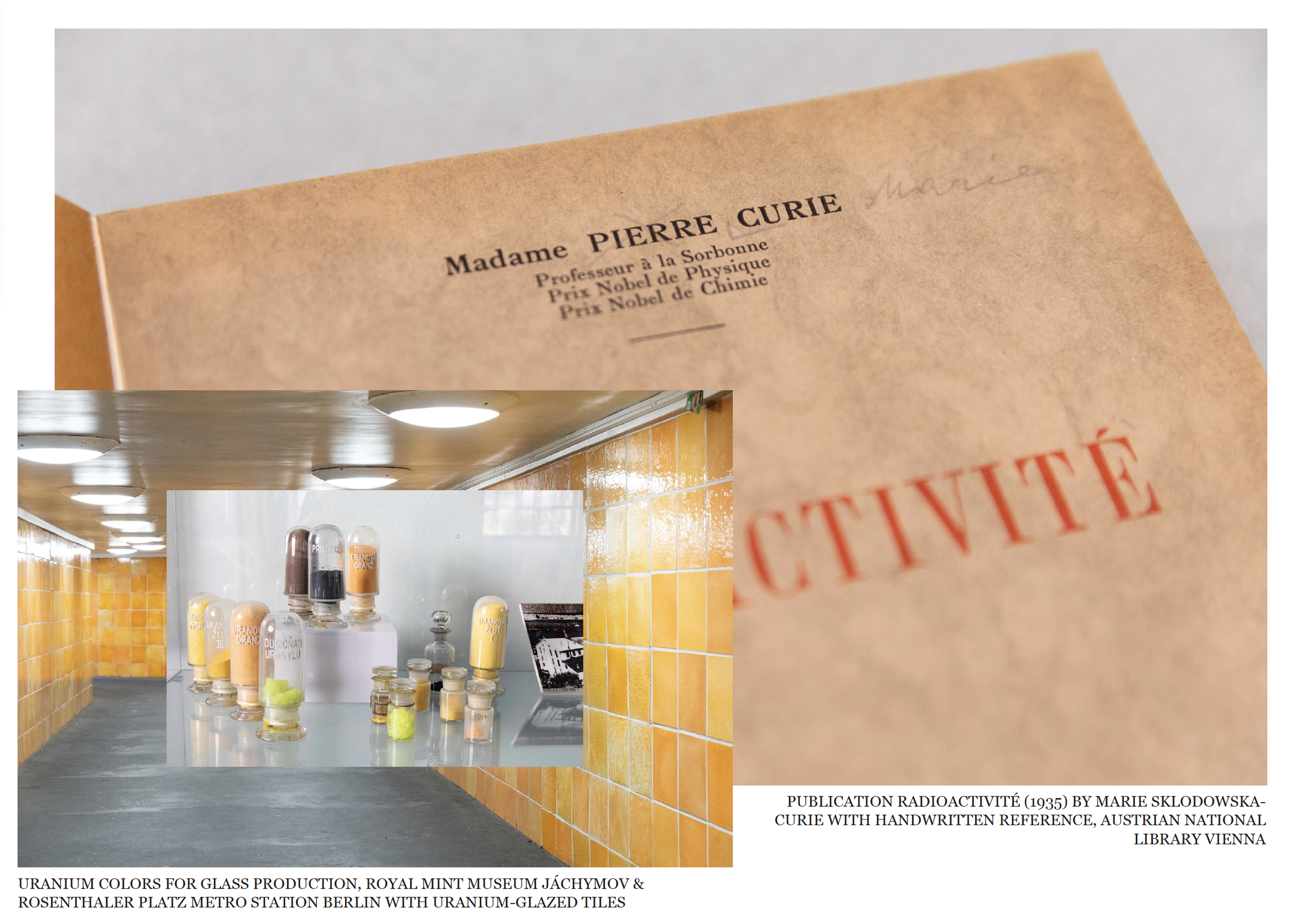
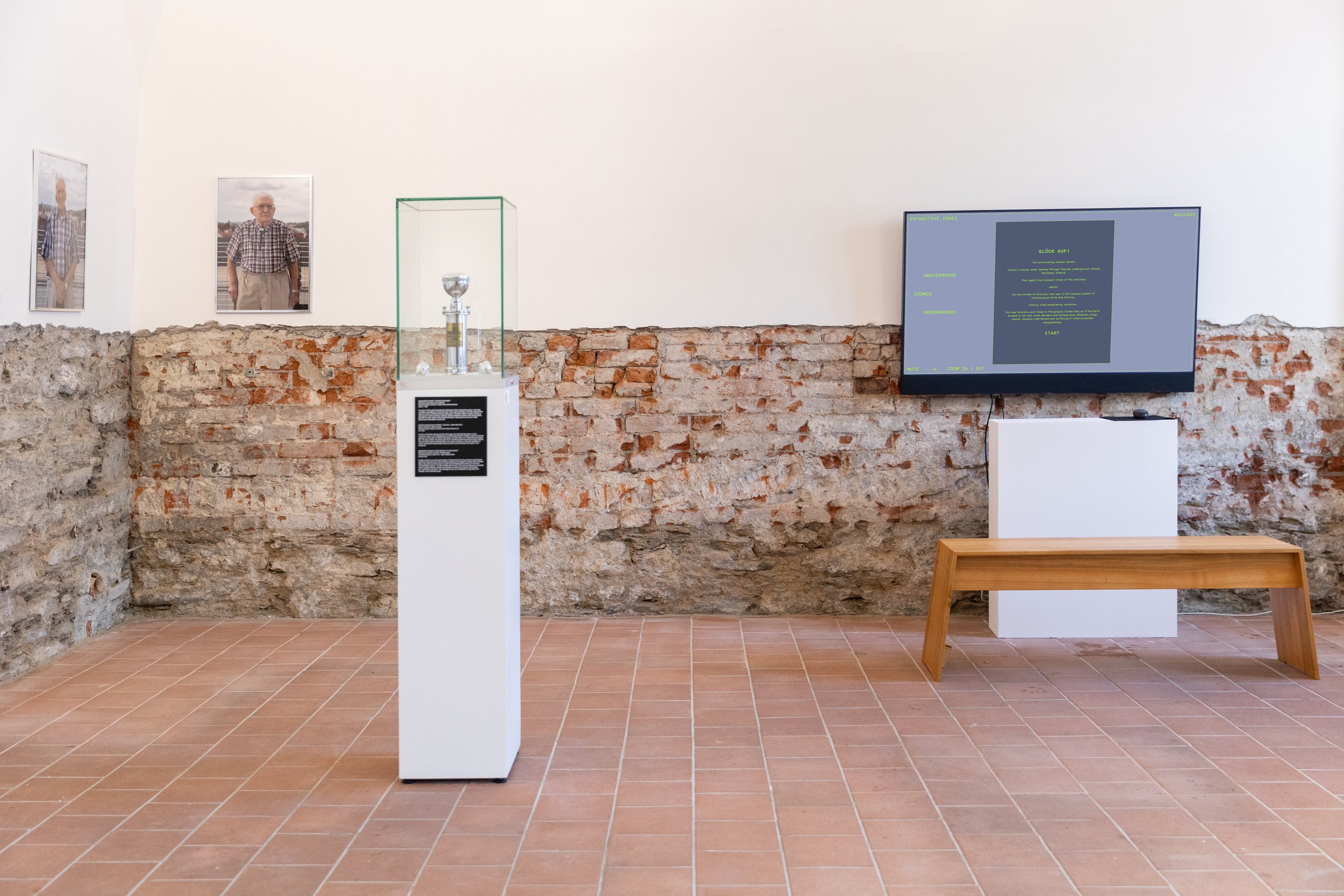
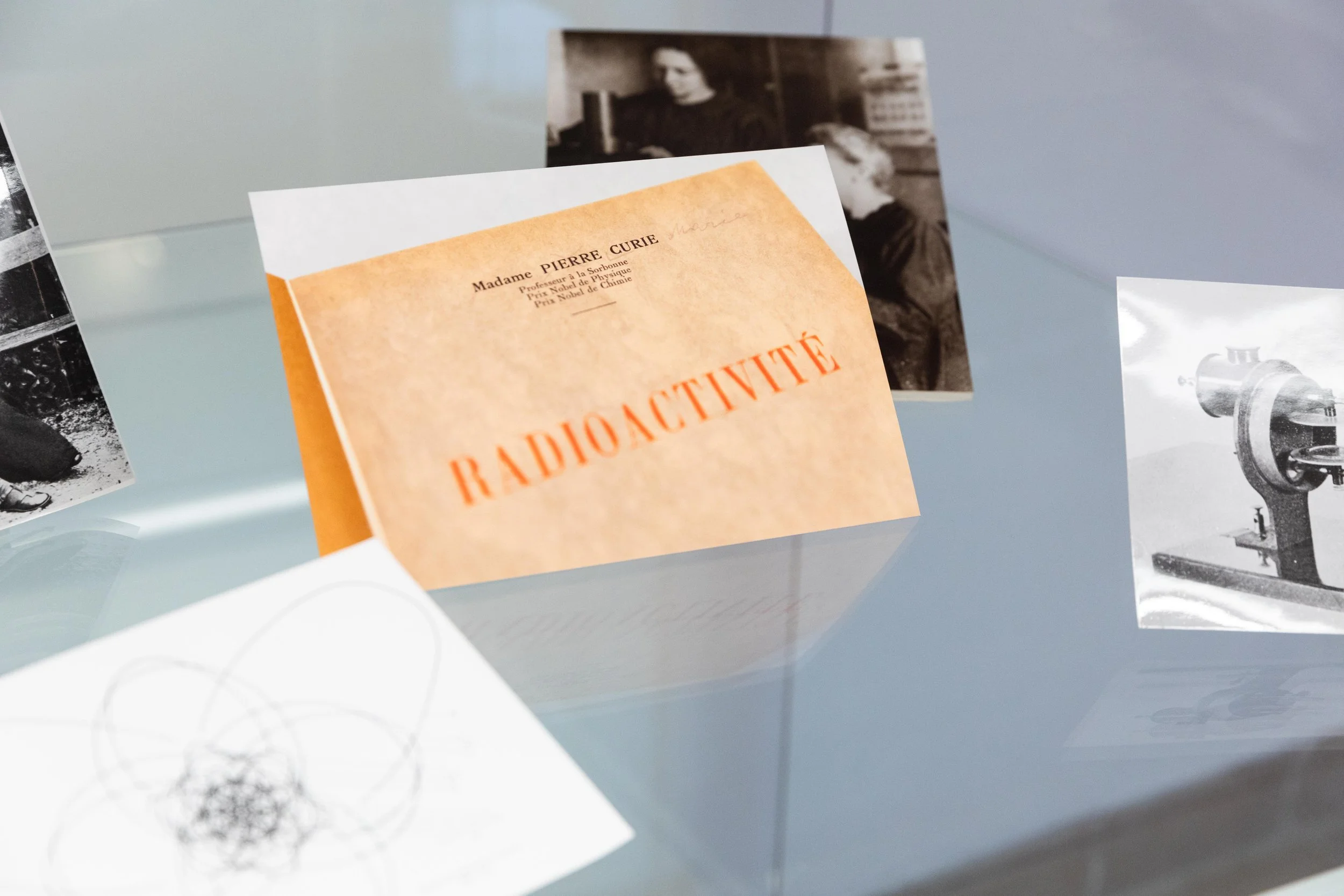
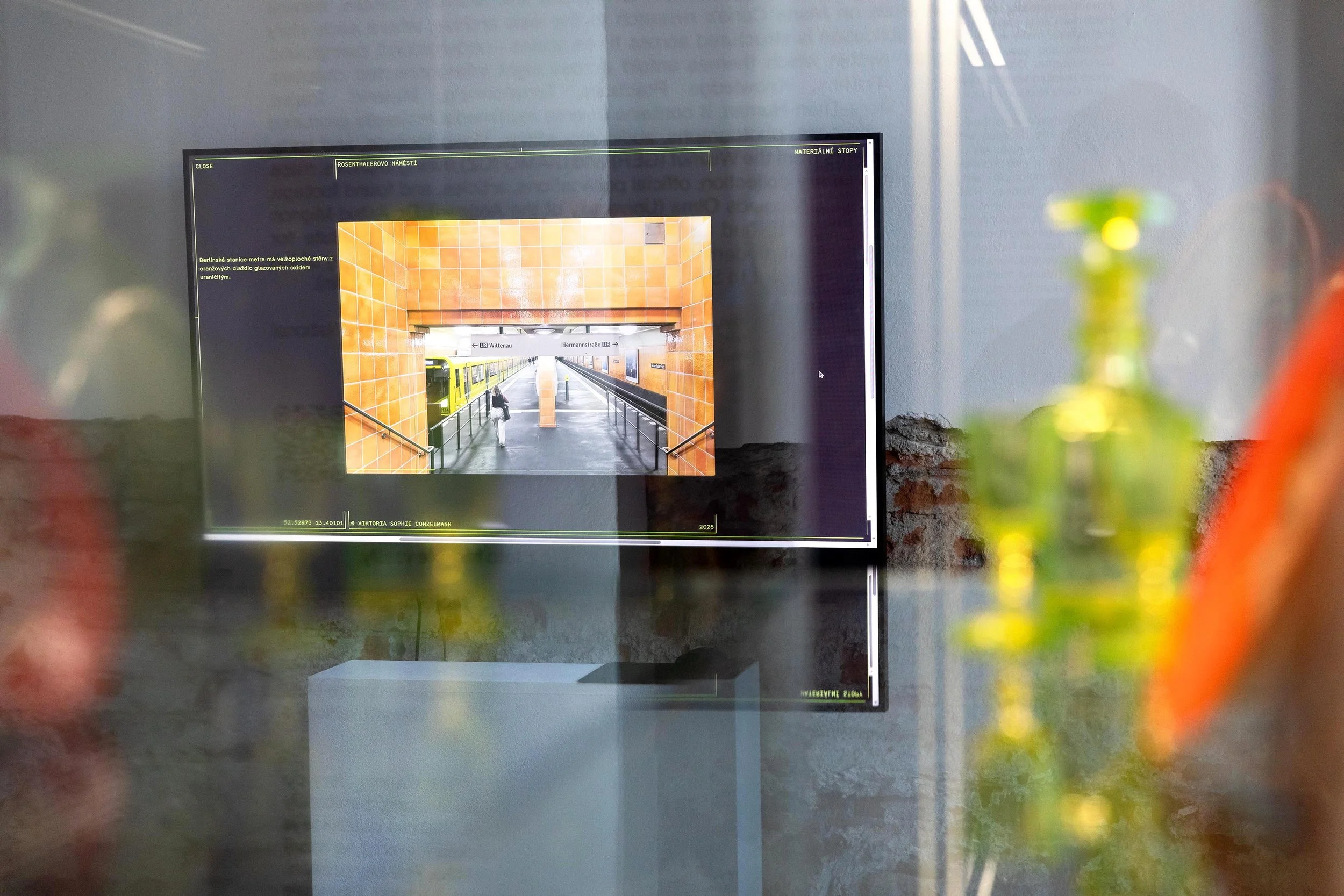
Marie Curie discovered radioactivity working with pitchblende from Jáchymov. In the 19th century, the local k.k. Uranium Color Factory supplied colorants across Europe for ceramics and glassware, producing the distinctive green glow in everyday tableware and refined glassworks. Within a few decades, uranium‘s purpose shifted dramatically. From 1947, thousands of political prisoners toiled in mines above town, extracting uranium for Stalin‘s atomic bomb program. The famous spa town became known as „Hell of Jáchymov.“
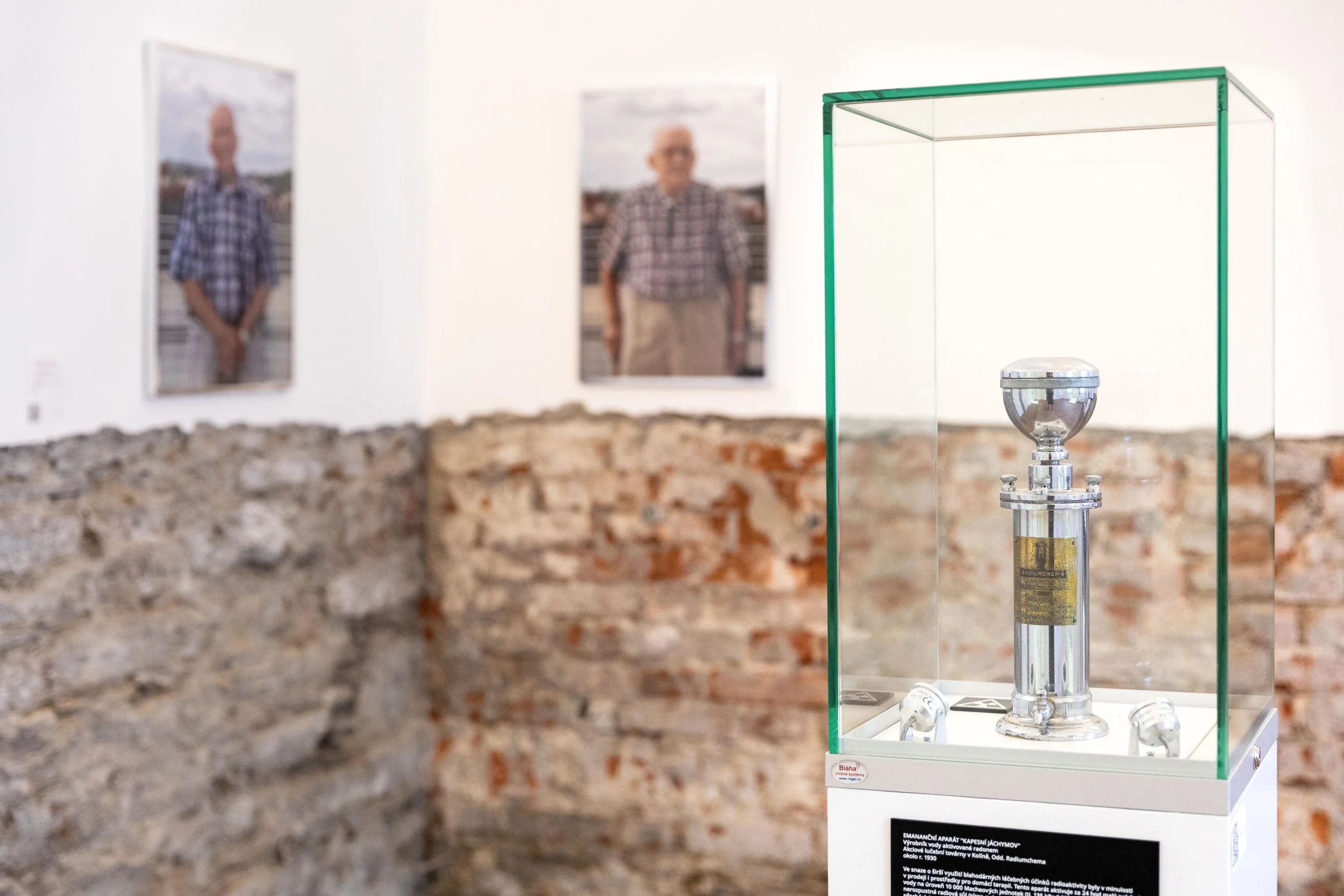
The exhibition revealed these interconnected histories by bringing the Royal Mint Museum‘s permanent collection into dialogue with the trilingual web publication extractivezones.eu. Visitors encountered uranium colours, mineral specimens, and materials related to Marie Curie – history‘s first female and double Nobel laureate. QR codes on selected exhibits linked to the web archive, where each story continued.
Works by:
Ida Capová (CZ), Frederike Lange & Viktoria Sophie Conzelmann in dialogue with Royal Mint Museum‘s permanent collection
Kindly supported by: Muzeum Karlovy Vary, Wismut GmbH Archive, DIAMO Archive, Austrian National Library, Royal Mint Museum Jáchymov (Muzeum Karlovy Vary)